

Publications
Orthosis - support during treatment


Medapp is a new, national "player" among wholesalers of medical products in Latvia. Having carefully analyzed the offer of medical products in our country, we decided that we want to represent and cooperate with high-quality European manufacturers. The range of our offer includes goods for surgery, doctors' everyday life, as well as orthoses intended for the rehabilitation process and available to a wider range of people after an injury or operation.
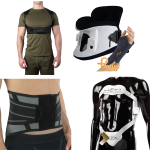
An orthosis is an aid that is used both for immobilization, to relieve certain muscle groups, and to protect a joint from the possibility of injury during specific movements.
Orthosis quality - what does it mean?
Various - including very cheap orthoses - are available on the market. The price often seems tempting and at first glance such an orthosis is little different from more expensive ones. Unfortunately, too often we have to deal with customers/patients who come to us with a previously purchased "cheap version" that they are unable to wear. Poor quality orthosis presses, stabs, rubs, is hard, too soft, the skin under it does not breathe. It is even sadder if it is not designed with respect to human biomechanics and does not fulfill its function.
Doctors, scientists and engineers must work together to develop a good orthosis. On the other hand, from the patient's perspective, the orthosis must be comfortable. When you put it on, it should feel like it's making life easier, not causing problems. A good quality orthosis will last a long time and not start to tear in the first days of use.
Types of orthotics
Orthoses are grouped depending on their medical purpose. There are three types of orthoses - the so-called light orthoses, which are available to a wide range of people. For example, if the carpal tunnel is inflamed, a wrist orthosis will make working with the computer easier. On the other hand, an athlete who is prone to ankle sprains will be protected from injury during sports by an ankle orthosis. Light and sports orthoses fulfill their task well, but it is important that the patient also solves the basic problem, because orthoses do not cure!
Two other types of orthoses – pre-operative and post-operative – facilitate the time to surgical solution, or make wound healing safer after surgery.
Orthosis size and universal solutions
Orthotics not only have different uses, but also different sizes. Choosing the right size is important, because otherwise it will not do the job - it will be too loose or too tight. Medapp on the website (www.medapp.lv) we have indicated for each orthosis the measurements that a person must take to find the right size for himself. It is important to mention that when purchasing an orthosis, it is not advisable not to pass this orthosis on to other friends or relatives.
If the choice of orthosis is advised by a doctor or physiotherapist, the specialist will help to choose the right size. Also, universal solutions with different attachment positions are possible for some orthoses. Such orthoses are useful in situations where, for example, when starting to use the orthoses, a person has edema, which decreases with time. By choosing a different mounting position, the orthosis continues to fit and perform its task.
How to put it on correctly?
Fitting the orthosis correctly is just as important as choosing the right size. In order to put on the light orthosis correctly the first time and permanently, it is worth looking at the instructions for putting on the relevant orthosis (on the homepage). Orthoses intended for joints are placed on the skin. On the other hand, back orthoses - on a thin undershirt. Putting on the orthosis again after taking care of it usually does not cause any difficulties, because the person already knows the sensations that indicate that the orthosis has been put on correctly.
Duration of wear
The time of wearing orthoses before and after surgery is decided by the doctor. After spine surgery, it is not uncommon to wear an orthosis for months. There are consequences of injuries or illnesses, after which you have to live with an orthosis for the rest of your life. On the other hand, light orthoses pull when performing a certain action to protect yourself from pain or injury for a certain moment.
Wash - gently!
Just like clothes, orthotics need to be taken care of. Warm water and soap are suitable for washing. On the other hand, the attachment points - clips should be regularly cleaned of threads, wool or animal feathers, which can make fixation difficult.
Before choosing an orthosis
When choosing a light or sports orthosis, it is recommended to consult a specialist. This can be a coach, physiotherapist or doctor. But you can count on the knowledgable help of the orthotics seller.
Before and after surgery, orthoses are used according to the doctor's instructions.
When considering the choice of orthotics, it should be kept in mind that orthotics are not a cure, but they can significantly facilitate or make the treatment process safer.
Do not take from others - an intimate product. Remember that the service life is 3-6 months.